

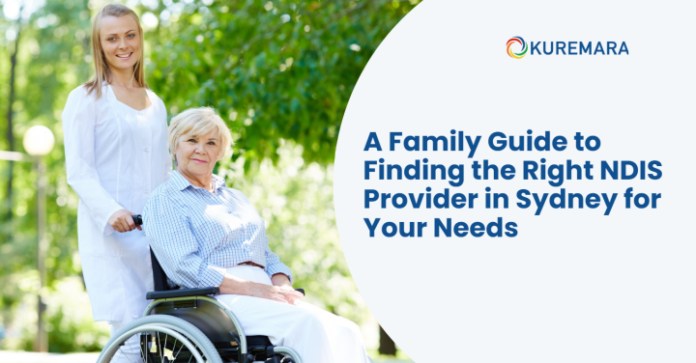
Starting your journey with the National Disability Insurance Scheme can feel like being handed a map in an unfamiliar language. You have an approved plan and funding in place, but then comes the question that shapes everything: who will actually deliver your supports? The provider you choose influences your daily life, the quality of your care, how well your goals are pursued, and whether you feel genuinely listened to. Getting this decision right matters enormously, and understanding what to look for makes the whole process far less overwhelming.
At Kuremara, a registered NDIS provider with more than a decade of experience supporting participants across Australia, we help people and their families make this choice every week. This guide walks you through what to look for, the services available, and the questions worth asking before you commit.
Getting Started With Your Plan
Once your plan is approved, it helps to understand what you are actually working with before choosing anyone. Your plan sets out your funded supports, grouped into categories, along with the goals you want to pursue greater independence, community participation, improved wellbeing, or building skills for the future. Knowing how your funding is managed (whether NDIA-managed, plan-managed, or self-managed) is important, because it affects which providers you can use.
For anyone new to the Ndis Sydney participants and families are navigating a system that can feel complex at first, but it becomes far more manageable once you break it down. The key is to match your supports to your goals rather than simply spending a budget. A good starting point is to list what you want to achieve, identify where you need help, and then look for a provider whose services align with those aims.
This is also where support coordination can be invaluable. If your plan includes it, a support coordinator helps you understand your funding, connect with the right services, and stay on track. Even without it, a quality provider will take the time to explain your options clearly, so you feel informed and in control from the very beginning rather than rushed into decisions.
The Range of Supports Available to You
Families are often surprised by just how broad NDIS support can be. It is not a single service but a wide spectrum, and the right combination depends entirely on your goals, your living situation, and how your needs may change over time. Understanding the full range on offer helps you build a plan that genuinely fits your life rather than settling for a narrow offering.
Here are the main supports you are likely to encounter, with an explanation of who each one tends to suit:
- Supported Independent Living (SIL).Assistance with daily tasks in a shared or individual living arrangement, designed to help you live as independently as possible. This suits people who need regular, ongoing support but want to keep their autonomy.
- Individualised Living Options (ILO).A more flexible arrangement giving you greater choice over how and where you live, with supports shaped around your routine, relationships, and independence goals. Ideal for those who want a living setup tailored precisely to their preferences.
- Short-Term Respite (STR/STA).A safe, supportive place away from your usual arrangements, offering a change of scene and social connection while your regular carers take a well-earned break. Valuable for both participants and family carers who need time to recharge.
- Complex Care.Higher-intensity, coordinated support for people with complex health or disability needs including personal care, clinical support such as PEG feeding or catheter care, and daily living assistance delivered by trained staff.
- Support Coordination.Help understanding your plan and using your funding with confidence, connecting you with the right services and keeping you on track toward your goals. Especially useful if the system feels confusing or your plan is complex.
- In-Home Support and Community Access.Assistance with personal tasks at home, plus support to get out into the community, meet people, and try new things because a full life happens both inside and outside the home.
- Community Nursing and Transport.Personalised nursing care in the comfort of your home, and reliable transport to help you reach programs, appointments, and activities while maintaining your independence.
The value of working with an experienced provider is that they can help you identify which combination of these supports fits your situation, and adjust the mix as your circumstances evolve.
Why the Right Provider Makes All the Difference

Not all support is equal, and the organisation delivering it matters enormously. When you invite people into your home and your daily life to support you or a family member, trust is everything. This is why registration, experience, and a genuine person-centred approach should sit at the very top of your checklist.
A quality provider does more than simply meet its regulatory obligations. It takes the time to understand you as an individual your goals, your preferences, your routines and builds supports around them rather than slotting you into a fixed template. Look for an organisation with a proven track record, well-trained and thoroughly vetted support workers, and a demonstrated commitment to fostering your independence rather than creating dependence.
Choosing an experienced Ndis provider Sydney participants can rely on also means benefiting from an organisation that understands the local community, services, and region. At Kuremara, we bring more than ten years of experience and a person-centred philosophy to everyone we work with, supporting participants of all ages up to 65. The best providers see support as a genuine partnership with you and your family, not a transaction one where you remain firmly in control of the supports you receive.
Questions Worth Asking Before You Commit
Before signing a service agreement, it helps to go in with a clear set of questions. The answers will tell you a great deal about how an organisation operates and whether it is the right fit for you. Taking time over this stage is never wasted, and a good provider will welcome your questions rather than rush you.
Consider asking the following, and pay attention not just to the answers but to how openly they are given:
- Are you a registered NDIS provider, and can you show evidence of your certification?A reputable organisation will share this willingly and explain what its registration covers.
- How do you create and review support plans?You want to hear that plans are tailored to the individual and revisited regularly as needs change, not fixed in stone.
- How are your support workers recruited, trained, and screened?Look for proper background checks, worker screening clearances, structured training, and ongoing development.
- Will I have consistent support workers?Continuity matters hugely for building trust and rapport, particularly for people with complex or ongoing needs.
- What happens in an emergency or if a worker is unavailable?A well-run organisation will have reliable contingency arrangements so your support never simply stops.
- How do you handle feedback and complaints?Clear, accessible processes are a hallmark of a provider that takes your rights seriously.
- How will you help me get the most from my plan and funding?A good provider helps you use your budget wisely and pursue your goals, not just deliver hours of service.
Asking these questions early saves stress later and helps you feel confident that you are making the right choice.
What Registration Really Means for You
It is worth understanding why registration carries so much weight. Among Ndis registered providers Sydney participants can choose from, a registered organisation has been independently audited against the NDIS Practice Standards and is regulated by the NDIS Quality and Safeguards Commission. This is not a formality it means the provider has demonstrated, through rigorous assessment, that it meets national benchmarks for safety, quality, and participant rights.
That registration gives you real, practical protection. The provider is accountable to a national regulator, must follow strict complaints and incident-management processes, and is subject to ongoing oversight. If something goes wrong, there is a clear and independent avenue for recourse rather than being left to resolve it alone.
Registration also matters for how your plan is managed. If your plan is NDIA-managed, you are required to use registered providers, so it directly determines who you can work with. Beyond compliance, though, choosing a registered provider signals that you are dealing with an organisation committed to doing things properly investing in staff, maintaining proper policies, and upholding your right to choice, dignity, and control over your own supports.
Taking the First Step With Confidence
Choosing a provider can feel daunting, but it does not have to be faced alone. The most important thing is to start the conversation to reach out, ask questions, and understand the options open to you. From there, a thoughtful provider will guide you through each stage, explaining your plan, listening to your concerns, and helping you shape supports that genuinely fit.
The right support empowers you to live with greater freedom, confidence, and choice, on your own terms. With a registered, experienced, and genuinely caring provider behind you, the NDIS can become exactly what it was designed to be: a means to a fuller, more independent life.
If you would like a no-obligation chat about your needs, Kuremara’s friendly team is here to listen and help you find the way forward. You can reach us on 1300 000 799 or explore our services at kuremara.com.au.